Top 7 Mixing Techniques Used by Midnight Canvas Audio in 2026
From the moment a song leaves the comfort of a home studio demo and steps into the world as a finished record, it’s judged on one thing above all: how it sounds . Not just the songwriting, not just the performance, but the way every element sits together, hits the listener, and holds up against everything else on the playlist.
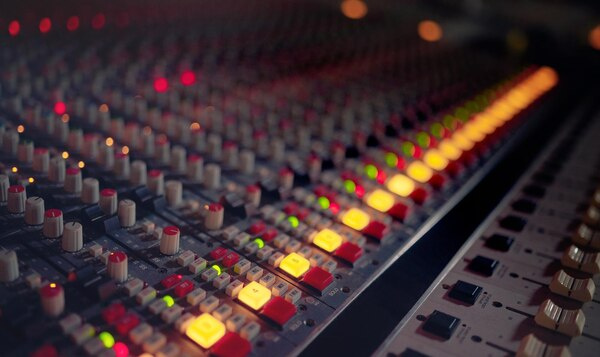
At Echo Valley Productions, we think of mixing as the bridge between emotion and translation. The artist feels something; the mix makes sure the listener feels it too—on cheap earbuds, in a car, on club systems, and everywhere in between. This guide is our distilled approach to modern mixing: practical, repeatable, and rooted in musicality rather than hype.
1. The Mindset: Mixing the Song , Not the Session
Before plugins, templates, or gear, modern mixing starts with intent.
Know the core emotion
Ask one question:
What do we want the listener to feel?
Is the track meant to be:
- Intimate and vulnerable?
- Aggressive and confrontational?
- Euphoric and wide open?
- Dark and claustrophobic?
Every technical decision—EQ, compression, space, automation—has to serve that target emotion, not abstract “perfection.”
Define the focal points
Most modern mixes feature 1–3 main elements at any given moment:
- Lead vocal or main hook
- Primary rhythmic driver (kick, snare, or bass)
- Key melodic element (lead synth, guitar, piano, etc.)
Decide which one wins at each section. If everything is “featured,” nothing is.
2. Preparing the Session: From Chaos to Clarity
The fastest mixes are the best organized.
Clean up the audio
- Remove noise, hum, mouth clicks, and obvious pops.
- Trim silent sections and apply gentle fades.
- Tighten edits: tighten drums, align doubles, fix obvious timing issues when needed.
Group and color-code
Create clear groups and buses:
- DRUMS (Kick, snare, hats, toms, overheads, rooms)
- BASS
- MUSIC (Guitars, keys, synths, samples)
- VOCALS (Lead, doubles, harmonies, ad-libs)
- FX & AMBIENCE
Route each to a bus. Modern mixing lives on bus processing: it’s where glue and character happen.
Gain staging with intention
Aim for:
- Individual tracks peaking around -12 to -6 dBFS
- Mix bus peaking around -6 to -3 dBFS before any master bus processing
You want headroom. A “loud” mix is not the same as a “hot” mix.
3. Rough Balance: The 15-Minute Blueprint
The fate of a mix is often decided before the first plugin is added.
Start in mono
- Pull all faders down.
- Turn off all FX and plugins (unless they’re part of the sound design).
-
In mono, bring up:
- Kick
- Snare
- Bass
- Lead vocal
Get these four to feel like a record before anything else . Then introduce:
- Main chord instrument (piano, guitar, pad)
- Main melodic hook
Mix at low volume
Set your monitors just above whisper level.
If the balance feels good when it’s quiet, it will translate better when it’s loud.
A/B with a reference
Pick 1–2 reference tracks that match:
- Genre
- Energy
- Sonic goal
Level-match them to your mix (don’t be fooled by loudness) and switch back and forth. Focus on:
- Vocal level vs. drums
- Low-end weight vs. clarity
- Overall brightness and density
4. Modern Low-End: Kick, Bass, and Sub Management
In modern productions, the low end is where records are won or lost.
Choose the “king” of the low end
Decide: Who owns the sub area—kick or bass?
- For club/EDM/modern hip-hop: often the kick dominates the 40–60 Hz range.
- For rock/indie/organic genres: the bass often holds more low-mid/sub real estate.
Use complementary EQ:
- If the kick is strong at 50 Hz, nudge the bass fundamental higher (or emphasize harmonics above).
- If the bass is big around 60–80 Hz, focus the kick more on punch (around 80–120 Hz).
Carve space with dynamic tools
- Sidechain compress the bass from the kick for subtle, rhythmic clarity.
- Use dynamic EQ on bass to duck specific low-frequency bands when the kick hits, instead of broad compression.
Control low-frequency mess
- High-pass filter non-essential low-end sources (pads, guitars, some backing vocals).
- Be gentle: remove rumble, not body. Musical low-end in non-bass elements often lives above 80–120 Hz.
5. Crafting the Vocal: The Modern Centerpiece
Modern mixes are vocal-centric. If the vocal doesn’t feel present, intimate, and emotionally connected, the mix fails.
Tidy up first
- Remove breaths only when they’re distracting; often they add realism.
- De-ess before heavy compression.
- Align doubles and harmonies (tastefully; don’t erase humanity).
Serial compression, not brute force
Instead of one compressor doing 10 dB of gain reduction, try:
- A fast compressor for peak control (2–4 dB GR).
- A slower, smoother compressor for tone and density (3–5 dB GR).
- Optional: a final, very light compressor for consistency (1–2 dB).
Use automation to even phrases before or alongside compression. Compressors sound better when they’re not constantly chasing massive level swings.
Tone-shaping EQ
Typical modern chain (adapt to the source):
- High-pass around 60–100 Hz to remove rumble.
- Gentle cut in the 200–400 Hz range if it’s muddy.
- Presence boost around 3–5 kHz if articulation is lacking.
- Air boost (8–15 kHz) for brightness and sheen—careful with sibilance.
Space without drowning
- Short plate or room reverb for closeness.
- Longer plate or hall reverb for emotional depth (automated by section).
- Slapback or short delay (80–140 ms) for thickness.
- Stereo delays synced to tempo (1/4, 1/8, dotted) for width and interest.
Automate sends: less in verses (intimacy), more in choruses (expansion).
6. Building Width and Depth: The 3D Mix Field
Modern mixes are not just left-right; they’re front-back and top-bottom.
Stereo field (left-right)
- Keep low end and lead elements (kick, bass, lead vocal, snare) near the center.
- Spread supporting elements: guitars, keys, synths, backing vocals.
- Avoid making everything super wide—contrast is what creates perceived width.
Use stereo tools with caution:
- Wideners on buses, not the whole mix.
- Avoid heavy widening on low frequencies; keep below ~120 Hz mostly mono-compatible.
Depth (front-back)
- “Closer” elements: more dry, less reverb, more presence.
- “Further” elements: more reverb, more high-frequency roll-off, less transient impact.
Use:
- Pre-delay on reverbs to keep the source forward while the space blooms behind it.
- Different reverbs for different roles—one main “room,” plus one or two feature spaces.
7. Automation: Turning a Static Balance into a Performance
Modern mixing is as much about movement as it is about tone.
Macro automation
- Raise choruses by 0.5–1.5 dB on the mix bus for lift.
- Slightly push lead instruments in hooks or solos.
- Brighten choruses with subtle high-shelf boosts on buses or FX returns.
Micro automation
- Ride vocal phrases and words for intelligibility.
- Boost key drum fills or transitions.
- Nudge FX sends in and out for interest (throw delays, reverb swells).
The goal: no two sections feel identical. The song should breathe.
8. Mix Bus Strategy: Glue Without Choking the Mix
The mix bus is for subtle polish, not rescuing a broken balance.
Typical modern chain (gentle!)
Possible order:
- EQ – Broad, minimal moves; maybe +0.5–1 dB of top, a touch of low shaping.
- Compressor – 1–2 dB of gain reduction, slow-ish attack, medium release, just to glue.
- Saturation – Mild analog-style saturation for density and perceived loudness.
- Limiter (optional) – Light limiting to catch peaks and preview loudness, but leave real mastering headroom.
Keep peaks before limiting around -6 to -3 dBFS. Don’t crush it “just to sound like Spotify” while still mixing; that’s what mastering is for.
9. Translation: Making the Mix Work Everywhere
Modern releases live on phones, laptops, clubs, TikTok clips, and streaming platforms. Translation is non-negotiable.
Check on multiple systems
- Studio monitors
- Consumer headphones and earbuds
- Small Bluetooth speaker
- Car
Listen for:
- Does the vocal stay clear?
- Does the low end hold together or vanish/boom?
- Does the energy feel consistent?
Mono compatibility
Fold the mix down to mono periodically:
- Does the kick and bass relationship still make sense?
- Do wide elements collapse in a weird way?
- Any phasey or hollow artifacts?
Fix with panning, stereo imaging adjustments, and occasional mid/side EQ.
10. Workflow and Revisions: Keeping the Process Musical
Modern sessions can be massive. Efficiency protects your ears and your objectivity.
Time-box stages
Break the process into focused passes:
- Session prep & rough balance
- Drums & bass
- Core music elements
- Vocals
- FX, ear candy, and automation
- Final polish & print
Take breaks
Every 60–90 minutes, step away. Ears fatigue faster than you think, especially at higher volumes.
Controlled revisions
When working with artists:
- Ask for consolidated revision notes (not 20 scattered emails).
- Prioritize changes that serve emotion and clarity, not just “more/less X” by default.
- Keep versioning organized (Mix v1, v2, etc., with notes).
11. From Demo to Master: When Is a Mix Done ?
A mix is finished when:
- The emotional intent is unmistakable.
- The vocal and main elements stay clear at low volume and on small speakers.
- No single frequency band or instrument consistently distracts.
- Revisions are down to nuance, not structural overhauls.
At that point, it’s ready to hand off to mastering—or, in smaller projects, to a mastering chain you trust.
Echo Valley Productions’ Philosophy in Practice
At Echo Valley Productions, we approach each mix as a collaboration with the song itself:
- We let the artist’s intent dictate the sonic choices.
- We favor clarity, impact, and emotional translation over trendy tricks.
- We strive for modern loudness and punch without sacrificing depth, width, and musical dynamics.
From a rough bedroom demo to a fully realized master, the journey is not about making things “perfect”; it’s about making them communicate . Modern mixing is where vision becomes sound—and when it’s done right, the listener doesn’t notice the mix. They just feel the music.
If you carry that mindset through every stage—from organization and balance to tone, space, movement, and polish—your mixes will consistently cross that bridge from demo to master with confidence.